October 30, 2026
Operating a reliable residential garage door system ensures daily vehicle access, preserves home security, and protects personal belongings from unpredictable weather elements. Heavy overhead doors function as the largest moving objects in most residential properties, moving up and down multiple times each day under immense mechanical tension. Over time, continuous operational cycles cause natural physical wear across counterbalance springs, steel cables, roller tracks, hinges, and electronic opener drives. When minor mechanical misalignment or component fatigue goes unnoticed, smooth door operation degrades into grinding noises, jerky panel movements, or complete system lockouts that disrupt household routines and compromise home safety.
Addressing minor garage door issues proactively restores smooth mechanical operation, prevents emergency breakdowns, and eliminates dangerous safety hazards for family members. Counterbalance system components—such as torsion springs and lifting cables—store extreme mechanical energy that requires specialized tools and technical expertise to service safely. Neglecting routine track lubrication, sensor alignment, and hardware tightening forces opening motors to work under excessive load, accelerating motor burnout and causing costly panel damage. Exploring essential maintenance strategies reveals how inspecting moving components, balancing spring tension systems, understanding safety inspection guidelines, aligning safety sensors, lubricating hardware friction points, and partnering with experienced regional technicians combine to optimize door performance and extend total system longevity.
Inspecting Counterbalance Cables and Assessing Physical Wear
Inspecting lifting cables regularly prevents sudden structural failures that can drop heavy door panels onto driveway surfaces or parked vehicles. High-tensile steel cables wrap around aluminum drums, transferring spring tension down to bottom corner brackets to lift hundreds of pounds smoothly. Constant exposure to garage humidity, dirt accumulation, and physical friction causes individual cable strands to fray, rust, or unwrap over years of continuous operation.
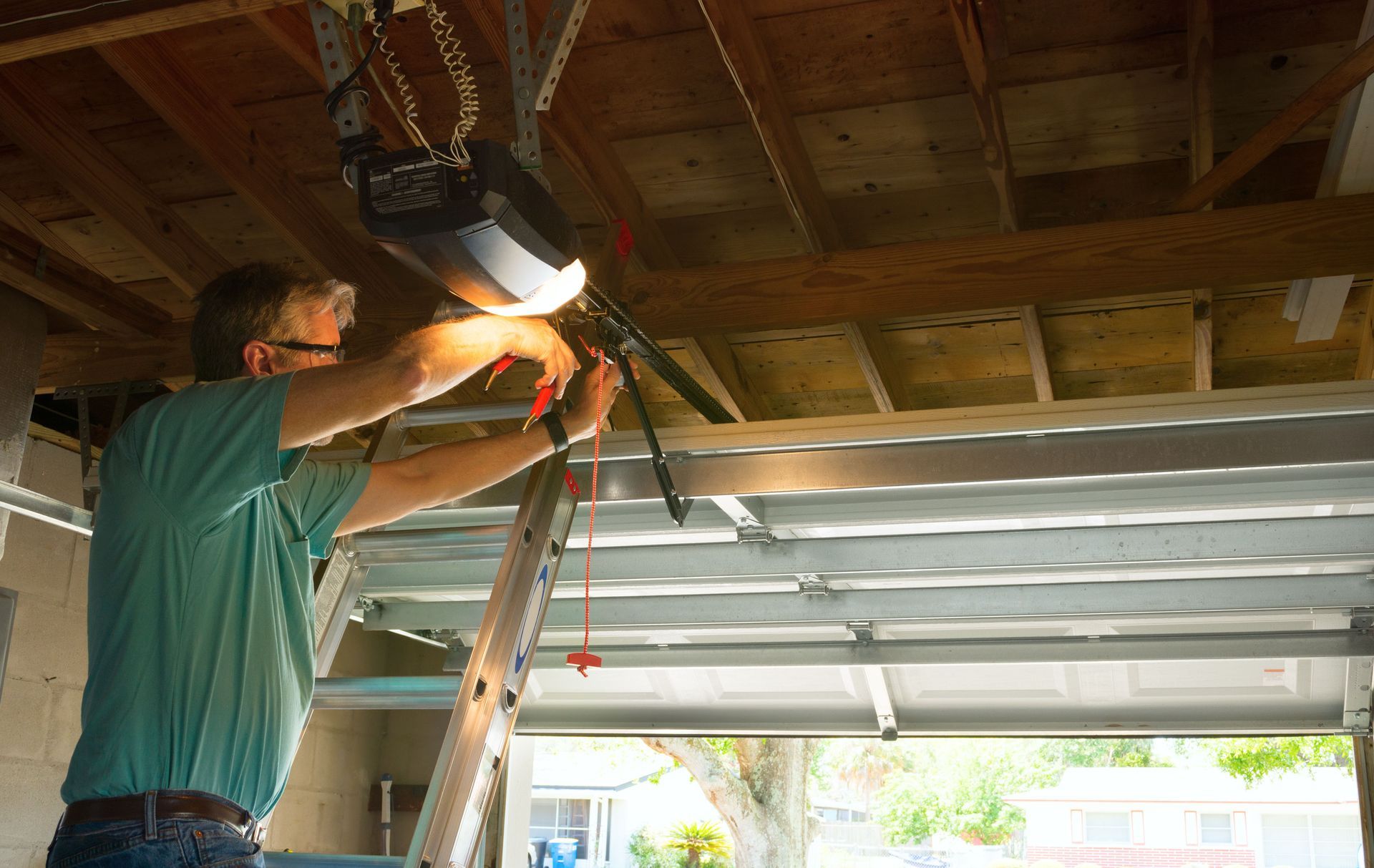
Technicians examine cable lines for telltale signs of fraying, corrosion, or slackness near bottom bracket anchors. Catching worn lifting cables early allows for controlled replacement before sudden snapping occurs, preventing catastrophic panel drops and severe frame damage. Scheduling timely local garage door repairs ensures that certified technicians replace worn cables using high-yield aircraft-grade steel, preserving lifting balance and protecting your garage entrance against sudden structural collapses.
Balancing Torsion Springs and Adjusting System Tension
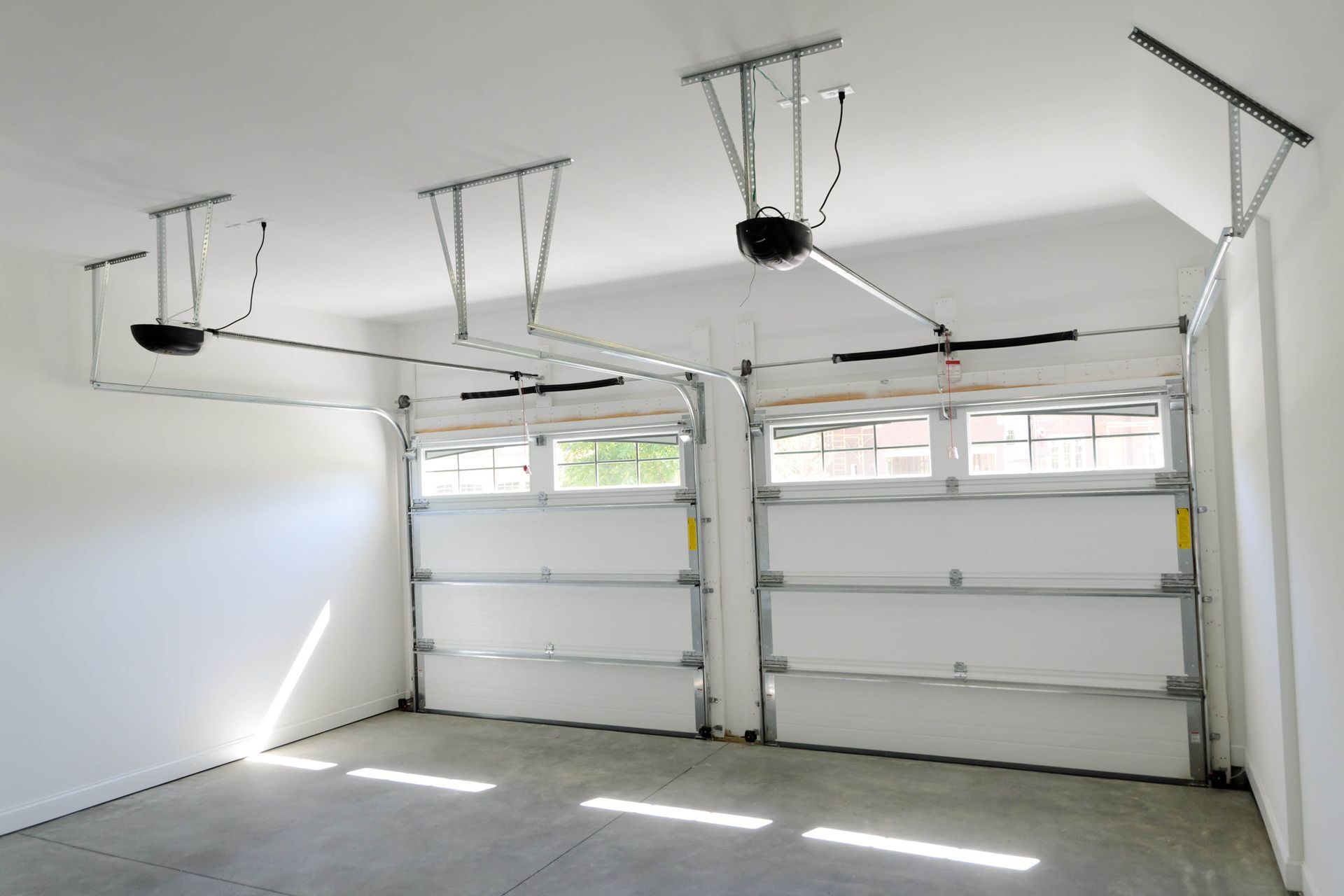
Balancing torsion spring assembly tension ensures that garage doors open smoothly without placing excessive physical strain on automatic opening motors. Torsion springs sit mounted on a steel shaft directly above garage door openings, winding tightly to counteract the total physical weight of door panels. When springs lose tension or break due to metal fatigue, garage doors become dangerously heavy, making manual lifting difficult and burning out electric motor gears.
Specialized technicians utilize winding bars to calibrate spring tension precisely, ensuring the door remains stationary when lifted halfway manually. Attempting uncertified DIY spring adjustments poses severe injury risks due to the immense torque stored within tightly wound steel coils. Investing in professional local garage door repairs guarantees that skilled mechanics handle spring winding, shaft alignment, and bearing replacements safely, restoring weightless manual balance and protecting electric opener assemblies.
Following Safety Inspection Standards and Testing Reversal Mechanisms
Following official safety guidelines and performing monthly mechanical tests ensures that automatic garage openers react instantly when encountering obstacles in the door's path. Automatic reverse features prevent heavy overhead doors from crushing pets, small children, property, or vehicles trapped underneath closing panels. Testing these mechanical safety features verifies that internal motor sensors and electronic control logic function as intended.
Safety organizations publish clear inspection guidelines to help homeowners maintain secure overhead door operations year-round. According to the U.S. Consumer Product Safety Commission, garage doors and openers could be inspected every 30 days and testing the opener's reversal function according to the manufacturer's instructions. Scheduling specialized local garage door repairs allows technicians to calibrate motor force settings, test mechanical resistance limits, and replace worn internal gears to maintain total safety compliance.
Aligning Photoelectric Eyes and Clearing Optical Obstructions
Aligning photoelectric safety sensors prevents closing doors from stopping abruptly or reversing without an obvious physical obstruction in the opening. Infrared safety eyes sit mounted near the floor on both sides of garage door tracks, projecting an invisible light beam across the threshold. If object obstructions, dust accumulation, cobwebs, or accidental physical bumps disrupt this light beam, automatic openers refuse to close door panels completely as a built-in safety precaution.
Technicians clean sensor lenses with soft microfiber cloths, verify indicator light status, and adjust mounting brackets using precision leveling tools. They inspect low-voltage sensor wiring for loose connections, insulation nicks, or rodent damage that causes intermittent signal loss. Sourcing trusted local garage door repairs resolves persistent sensor alignment glitches, fixes damaged logic board wiring, and ensures seamless automatic door closure without frustrating false reversals.
Lubricating Roller Bearings and Silencing Track Noise
Lubricating metal hinges, track rollers, and drive chains reduces mechanical friction while hushing loud grinding noises during opening cycles. Metal-on-metal friction accelerates physical wear across roller bearings, track curves, and hinge pins, causing noisy vibrations that echo through living spaces above garages. Applying improper heavy grease or sticky lubricants attracts dirt, grit, and sawdust, creating abrasive pastes that bind moving parts.
Maintenance specialists apply high-grade silicone or lithium-based spray lubricants specifically formulated for overhead door hardware. They clean track interiors to remove grease buildup, tighten loose hinge bolts, and replace worn metal rollers with quiet nylon-coated ball-bearing units. Contracting routine local garage door repairs silences noisy track operation, reduces friction drag on opener motors, and keeps door panels gliding effortlessly across horizontal and vertical tracks.
Maintaining a smooth, safe, and reliable garage door system represents an essential aspect of home maintenance that protects household members, vehicle investments, and property security. Ignoring minor mechanical wear, noisy track operation, spring fatigue, or misaligned safety sensors transforms minor fixes into major emergency breakdowns that leave vehicles trapped inside garages. By inspecting lifting cables, balancing torsion spring tension, cleaning photoelectric sensors, and lubricating moving hardware, homeowners preserve system balance and extend total motor longevity. Furthermore, understanding official consumer safety inspection guidelines underscores the vital necessity of testing automatic reversal mechanisms regularly to prevent accidents. Working alongside certified, experienced local technicians guarantees precise spring winding, code-compliant safety testing, and durable replacement parts that stand up to daily operational stress. Taking a proactive, maintenance-first approach to garage door care secures your home entrance, eliminates unexpected repair costs, and ensures quiet, effortless door performance across every season.
At Pezza Garage Doors, we are deeply committed to keeping your home secure, restoring smooth garage door performance, and delivering superior overhead door solutions through master trade craftsmanship, advanced safety testing, and dedicated customer care. Our team of certified garage door specialists brings extensive repair expertise, torsion spring replacement, cable re-stringing, track realignments, opener motor installations, sensor calibrations, and meticulous attention to detail to every residential service call, commercial overhead project, emergency breakdown response, panel replacement, and professional local garage door repairs we execute across our community. We take immense pride in evaluating your door's unique mechanical needs, analyzing spring tension balance, guiding you through hand-selected hardware options, and serving as your trusted home access partner to bring total operational safety, quiet performance, and enhanced convenience to your residence. Furthermore, our business prioritizes clear communication, transparent written estimates, immaculate jobsite cleanup, and exceptional service performance from initial system inspection through final operational walkthrough. We carefully inspect every track curve, cable drum, roller bearing, and safety sensor to guarantee maximum structural integrity, smooth movement, and complete homeowner satisfaction. Contact us today to schedule your comprehensive garage door consultation and discover the true value of working with dedicated local overhead door specialists.